Fire and off-grid cooking

Build an outage cooking plan before you buy a stove.

A camping stove can heat a meal when the power is out. It can also create fire and carbon monoxide hazards when it is used in the wrong place. Start with food that needs no heat, then add one outdoor-only cooking method you know how to use.

This guide helps you compare the job, fuel and safety setup without relying on brand promises, star ratings or a price that may change.

By Self Reliance Daily ยท

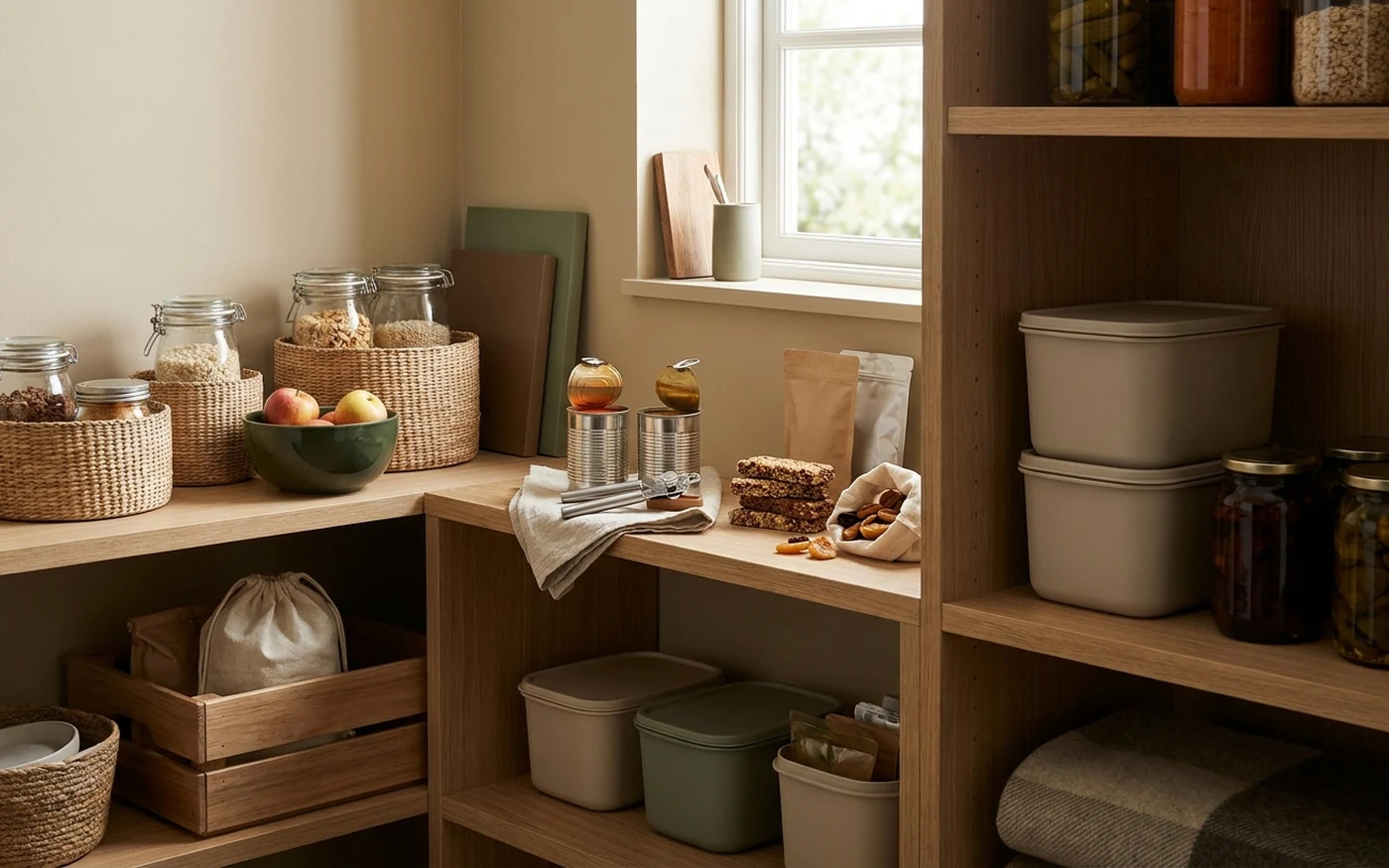
Pantry shelf with ready-to-eat food, a manual can opener and simple meal supplies
No-cook food is the safest first cooking backup because it needs no flame or fuel.
The dangerous shortcut

Outdoor cooking equipment does not become safe indoors during an emergency.

The U.S. Consumer Product Safety Commission warns against using portable fuel-burning camping equipment in a home, garage, vehicle or tent unless the product is specifically designed and instructed for that enclosed space. It also says never to burn charcoal in those spaces.

Ready.gov outage guidance goes further for emergency use: generators, camp stoves and charcoal grills should be outdoors, at least 20 feet from windows, doors, garages and other building openings.

A carbon monoxide alarm adds a warning layer. It does not turn an outdoor stove into an indoor appliance. If you cannot create a safe outdoor setup, use the no-cook part of your food plan.

The safest backup meal is the one you can eat without creating a new emergency.
The simple order

Use three layers: no-cook food, normal appliances, outdoor backup.

Each layer solves a different problem. You may not need to buy all three.

Layer 1

Keep meals that need no heat

Choose familiar shelf-stable food that your household can open and eat safely. Include a manual can opener when the plan uses standard cans. This layer works in apartments, severe weather and any situation where an outdoor flame is not safe.

Check before buying
  • food your household already eats
  • dietary and medical needs
  • easy-open packaging or a manual opener
  • normal rotation before expiry
Layer 2

Use the normal kitchen when utilities are safe

A power outage does not always stop every appliance. Use only an appliance that still has a safe power or fuel supply and follow its normal instructions. Never use a gas oven or stovetop to heat the room.

Stop when
  • authorities say utilities are unsafe
  • you smell gas
  • the appliance or cord is damaged
  • floodwater reached the electrical system
Layer 3

Add one outdoor-only stove if it fits

Choose a stove only after you know where it can stand outdoors, which exact fuel it requires and where that fuel can be stored legally and safely. Read the full manual before the first emergency and practice outdoors.

Check before buying
  • stable base and simple controls
  • manufacturer-approved fuel
  • clear lighting and shutdown steps
  • local fire restrictions
Before the flame

Choose the cooking place before choosing the stove.

The setup needs open air, a stable noncombustible surface and distance from doors, windows, dry vegetation, tents, vehicles and anything that can burn. Keep children and pets out of the work area. Do not leave a lit stove or fire unattended.

Check current burn bans and land-manager rules before any open fire. Wind, drought and local restrictions can make a setup unsafe even when the equipment itself is working correctly. Keep the shutdown method named in the manual within reach.

Separate raw food from ready-to-eat food and wash hands and utensils with safe water. For meat, poultry, seafood and reheated leftovers, use the current FoodSafety.gov temperature chart and measure the thickest part with a food thermometer.

Category comparison

Compare two jobs, not two marketing pages.

These links open broad Amazon searches. Read the current listing, manual and safety warnings before choosing anything.

Affiliate disclosure: As an Amazon Associate, Self Reliance Daily earns from qualifying purchases. The links below are category searches, not product endorsements. Prices, availability and listing details can change.

Outdoor heat

Outdoor camping stove category

Best for: heating food outdoors when the normal kitchen is unavailable and a legal, stable location is ready.

Check before buying:
  • outdoor-use instructions
  • approved fuel and safe storage requirements
  • stable pot support
  • clear ignition and fuel-shutoff steps
  • replacement parts named by the manufacturer
Compare outdoor stove categories on Amazon โ†—
Food check

Instant-read food thermometer category

Best for: checking the internal temperature of cooked food instead of guessing by color, texture or cooking time.

Check before buying:
  • temperature range for the foods you cook
  • clear display
  • cleaning instructions
  • battery type
  • calibration instructions when provided
Compare food-thermometer categories on Amazon โ†—
Safety boundary

Stop when the location, fuel or appliance is uncertain.

Never improvise fuel connections, use damaged equipment or bring a burning or recently used charcoal grill indoors. Leave the area and call emergency services if anyone has headache, dizziness, weakness, nausea, chest pain or confusion around fuel-burning equipment. Follow local fire, evacuation and utility instructions over this guide.