Shelter and warmth

Warmth starts with dry layers and safe shelter, not a flame indoors.

A blanket, sleeping bag, tent and space heater solve different problems. Choose the setting first: staying in a safe home, evacuating to a shelter or sleeping outdoors. Then build the smallest warmth system that fits that setting.

This guide explains the limits behind common gear so a comfort purchase does not become a fire, carbon monoxide or cold-injury risk.

By Self Reliance Daily ·

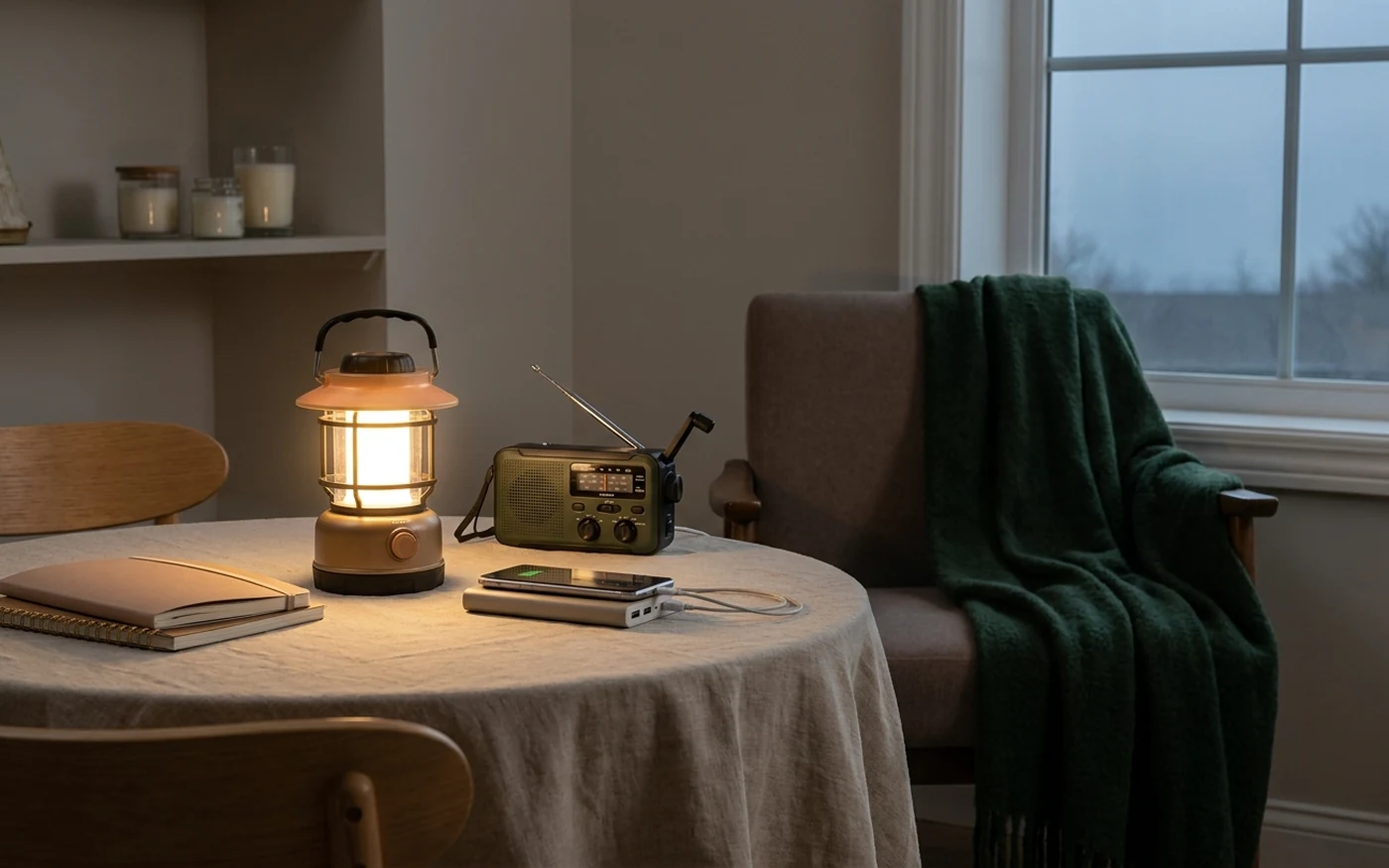
Blanket, lantern, radio and phone power arranged in a room during a cold outage
Dry layers, light, information and one safe room come before improvised heat.
The common mistake

Treating one warm product as a complete shelter system.

An emergency blanket can slow some heat loss. A sleeping bag can insulate the body. A sleeping pad reduces heat loss to the ground. A tent blocks some wind and precipitation. None of those items guarantees comfort or survival by itself.

National Park Service camping guidance tells campers to match a sleeping bag to the person, season, location and expected conditions, and to use a sleeping pad for insulation from the ground. A tent's stated person count may leave no room for packs, pets or other gear.

At home, do not replace a failed heating system with a grill, camp stove, outdoor heater or gas oven. Fuel-burning outdoor equipment can produce deadly carbon monoxide indoors.

Shelter blocks exposure. Insulation slows heat loss. Safe heat is a separate decision.
The simple order

Use three layers: stay dry, reduce exposure, add safe heat.

Work through the layers in order. More heat does not fix wet clothing, unsafe shelter or dangerous weather.

Layer 1

Keep the body dry

Change out of wet clothing. Use dry base, insulating and outer layers that fit without restricting movement. Cover the head, hands and feet, but keep breathing clear and avoid sweating heavily inside too many layers.

Pack for the person
  • dry socks and base layer
  • insulating mid-layer
  • weather-resistant outer layer
  • hat and gloves that can be used safely
Layer 2

Block wind, rain and cold ground

At home, choose one safe room and reduce drafts without blocking required ventilation or exits. Outdoors, combine overhead shelter with a sleeping pad and a sleeping bag suited to the expected conditions.

Check the setup
  • room for people and gear
  • ventilation and clear exits
  • ground insulation
  • dry storage for the sleep system
Layer 3

Add only heat designed for the location

Use a portable electric heater only indoors as instructed, on a stable surface and with a safe electrical supply. Outdoor heaters, grills and camp stoves stay outdoors. A fireplace or wood stove needs its normal inspection, chimney and operating rules.

Never improvise
  • no oven or stovetop for room heat
  • no outdoor heater indoors
  • no heater while sleeping
  • no damaged cord, plug or outlet
Know the warning signs

Cold injury is a medical problem, not a gear comparison.

CDC winter-weather guidance says hypothermia can happen even above 40°F when a person becomes chilled by rain, sweat or cold water. Warning signs include shivering, exhaustion, confusion, fumbling hands, memory loss, slurred speech and drowsiness.

Move the person to a warm room or shelter, remove wet clothing and warm the center of the body first with dry layers or blankets. Get medical help immediately. Handle the person gently and do not rely on a hot bath, heating pad or direct radiant heat to solve severe cold injury.

Frostbite can make skin numb, firm, pale, gray or waxy. Protect the area from refreezing and seek medical care. Do not rub frostbitten skin or walk on a frostbitten foot unless there is no safe alternative.

Portable heater safety

A portable heater needs clear space, a wall outlet and an awake adult.

CPSC's 2026 winter guidance says to keep portable heaters at least three feet from bedding, curtains, furniture and other combustible material. Electric space heaters should plug directly into a wall outlet, not an extension cord or power strip.

Before use

Check the current recall status, cord, plug and case. Put the heater on a stable, level surface where it cannot be knocked over. Keep it away from water and traffic paths.

During use

Keep the full three-foot zone clear. Do not cover the heater, run its cord under a rug or touch it with wet hands. Stop if the plug, cord or outlet becomes hot or damaged.

When leaving

Turn the heater off when leaving the room or going to sleep. Let a fuel-burning model cool completely before refueling, and follow the manufacturer instructions for the exact fuel and location.

Outdoor shelter

A tent is weather protection, not a safe room for every hazard.

Choose a legal site outside flood channels, falling-tree hazards and exposed ridgelines. Use a shelter sized for people and equipment, anchor it for expected conditions and keep dry sleep layers protected from rain and condensation.

A tent does not protect people from lightning. National Weather Service lightning guidance says to move to a substantial building or hard-topped vehicle and wait at least 30 minutes after the last thunder before returning outside.

An emergency tarp, bivy or reflective blanket can support a short-term emergency plan. It is not a substitute for a suitable tent, ground insulation, sleeping bag, dry clothing and the judgment to leave dangerous conditions.

Category comparison

Compare passive insulation before powered heat.

These links open broad Amazon searches. Temperature labels and safety features must be checked on the current listing and in the manual.

Affiliate disclosure: As an Amazon Associate, Self Reliance Daily earns from qualifying purchases. The links below are category searches, not product endorsements. Prices, availability and listing details can change.

Passive warmth

Sleeping bag and insulated pad categories

Best for: an outdoor sleep system or a non-powered home backup when matched to the person and expected conditions.

Check before buying:
  • fit for the user, clothing and sleeping position
  • conditions behind any temperature rating
  • insulation from the ground
  • packed size and weight
  • drying, storage and cleaning instructions
Compare sleep-system categories on Amazon ↗
Powered room heat

Indoor electric space-heater category

Best for: temporary heat in one occupied room when normal electricity and the wall outlet are safe.

Check before buying:
  • manufacturer-confirmed indoor use
  • stable base and clear operating instructions
  • documented shutoff features
  • cord and plug condition
  • current CPSC recall status
Compare indoor-heater categories on Amazon ↗
Safety boundary

Leave unsafe shelter and call for help early.

Follow local evacuation and shelter instructions. Never use a grill, camp stove, outdoor heater or generator indoors, in a garage, vehicle or tent. Do not use an oven to heat a room. Call emergency services for suspected hypothermia, severe frostbite, carbon monoxide symptoms, fire, gas odor or a damaged electrical system.